Visit us


Why Soft Play Is Important for Toddler Development

Dennis Y
September 16, 2026
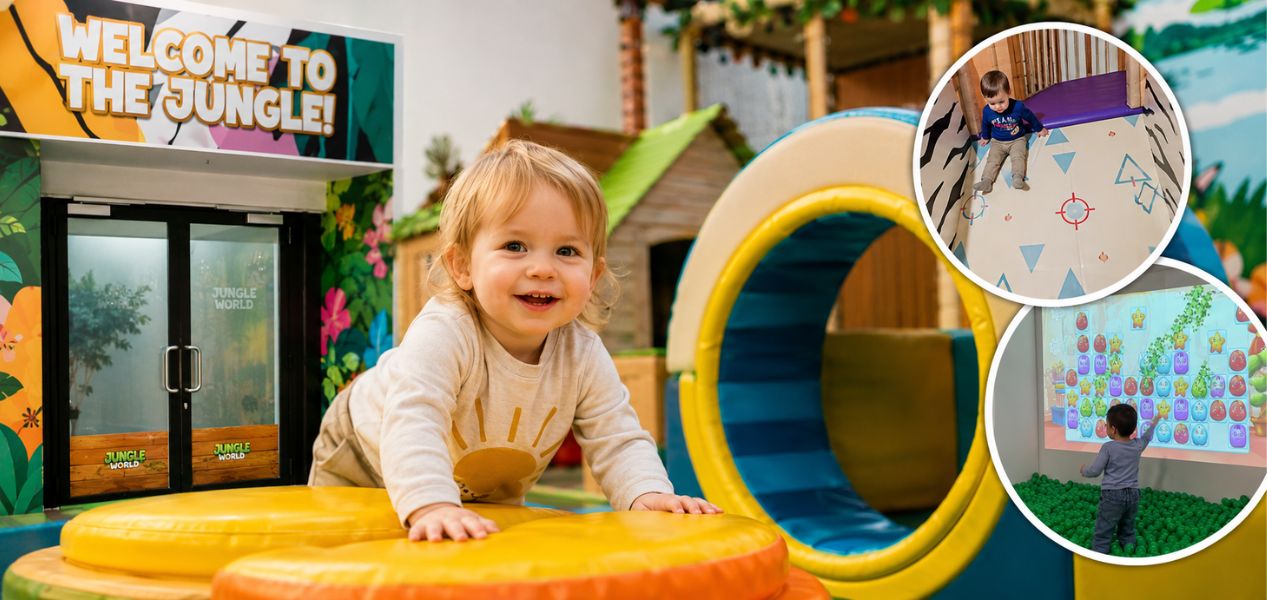
There's a moment every parent recognises. Your toddler spots the soft play entrance, lights up, and is off before you've even found somewhere to sit your coat. It looks like pure chaos from the outside children running, climbing, squealing, tumbling. But what's actually happening there is far more purposeful than it appears.
Soft play is not just a way to burn off energy on a rainy afternoon. It is one of the most genuinely useful things a young child can do for their development. The research backs this up, and so does anyone who works closely with young children. Let's break it down properly.
What Does "Soft Play" Actually Mean?
Soft play refers to indoor play environments built from padded, foam-covered structures, slides, climbing frames, ball pools, tunnels, and obstacle courses. These spaces are designed to let children move, explore, and take age-appropriate physical risks without the hard edges of traditional playgrounds.
For toddlers between the ages of one and four, this kind of environment is particularly well-suited. Everything is sized and cushioned for small bodies that are still working out how to control themselves in space.
Venues like Jungle World Blackpool, located at Hounds Hill Shopping Centre, are built with this in mind. They offer dedicated toddler zones separate from the areas used by older children so the youngest visitors can explore safely at their own pace, with age-appropriate equipment like mini slides and soft structures.
How Soft Play Is Important for Toddler Physical Development
Let's start with the obvious one: the body.
The NHS recommends that toddlers should be physically active every day for at least 180 minutes. That's three hours of movement, spread across the day. For many families particularly those in flats, or without access to outdoor space in reliable UK weather hitting that target is genuinely difficult.
Soft play helps close that gap. Here's what it works on physically:
- Gross motor skills — Running, jumping, climbing, and sliding all develop the large muscle groups that toddlers need to walk confidently, navigate stairs, and eventually run and kick a ball.
- Fine motor control — Gripping railings, pulling themselves up rope ladders, and balancing on uneven surfaces all build the smaller, more precise muscle control that later feeds into writing and drawing.
- Balance and co-ordination — Physical benefits associated with soft play include improved gross and fine motor skills, better balance, improved hand-eye co-ordination, increased muscle control and stamina.
- Cardiovascular health — Even for a two-year-old, climbing four levels of a play frame and coming down a slide gets the heart rate up. Over time, this builds the habit of physical activity.
In a world where kids are often glued to screens, soft play areas provide a fun way to get moving, with the lively space encouraging physical activity like running, jumping, and climbing all great for a healthy heart and body.
The Cognitive Benefits: More Than Just Play
Here's the part that often surprises parents. Soft play isn't just physical. It's also doing a lot of work on your toddler's brain.
Sensory-rich play experiences support cognitive development by building brain function and forming neural connections. The varied textures, colours, and sounds in soft play areas provide valuable stimuli that promote learning and exploration.
Think about what a toddler actually encounters in a well-designed soft play space: different surface textures, varying heights, sounds from other children, colour contrasts, and unpredictable movement all around them. Each of these inputs helps the brain build the connections it needs for attention, memory, and problem-solving.
There's also the matter of unstructured decision-making. When a toddler chooses whether to go down the slide or try the climbing wall, they're not just playing, they're practising independent thought. When children play, they can make their own rules. It gives them the independence and freedom to decide what they want to do, and over time, they become more confident as they are given more opportunities to play and to make their own choices.
The soft play environment stimulates brain function and development and can help build children's sensory processing abilities, which can improve their focus and attention.
Social Skills: The Quiet Lesson in Every Play Session
A toddler who's just had a disagreement over a ball pit toy has, in the most practical sense, just had a lesson in social negotiation. They didn't know that's what it was. But it counts.
Many parents mistake soft play for a mindless energy burner, yet it functions as a social laboratory. When a toddler waits at the top of a slide, they're practising impulse control, observing the child in front, gauging distance, and learning to understand personal space.
These micro-lessons add up. Over repeated visits, toddlers start to understand things like:
- Taking turns without being told
- Watching what others do and mirroring it
- Asking for help when they're stuck
- Responding to another child's distress
Soft play and socialisation go hand in hand. Children build traits such as confidence, resilience, self-esteem, independence, curiosity, and the ability to cope with challenging situations.
For toddlers who aren't yet in nursery or pre-school, regular sessions at soft play are often one of the few places they interact with other children on a consistent basis. That makes these environments particularly important for early social learning.
Emotional Development: Building Confidence Through Safe Risk
Toddlers need to feel scared sometimes. Not genuinely unsafe but stretched, uncertain, challenged. That's how confidence grows.
A soft play environment gives children permission to try things that feel big to them. Climbing to the top of a structure, navigating a dark tunnel, going down a tall slide for the first time these feel like proper challenges to a two-year-old. The soft surfaces mean that if things go wrong, they land softly. And then they get up and try again.
When children are in a safe, sensory space, they feel more secure within themselves. The feeling of security within a soft play area can encourage movements and interactions that would ordinarily prove a challenge. As the child becomes more confident, these skills can then transfer to the outside world.
Indoor play facilities are important for improving a child's mental health. When children are at play, they are less likely to develop symptoms of anxiety and depression, according to current research.
This is not a small thing. Getting children into the habit of attempting things that feel hard and discovering they can manage is one of the best things you can do for their long-term emotional health.
Sensory Development: What All That Stimulation Is Actually Doing
Toddlers are sensory explorers by nature. Soft play environments are particularly well designed for this stage of development because they offer a wide range of sensory input in a controlled setting.
From smooth slides to soft foam blocks, toddlers explore different textures that help them understand the world through touch. Bright colours and fun shapes catch their eyes, helping them develop better visual awareness. The sounds of laughter, music, and ball pits add to the experience, improving their sense of hearing.
This matters because sensory processing the ability to take in, organise, and respond appropriately to sensory information is foundational to later learning. Children who've had rich sensory experiences in early life tend to find it easier to manage attention and to self-regulate as they get older.
Language Development: Why Noise Is a Good Sign
If you've ever sat in a soft play café and felt like the noise levels were extreme, you were probably right. You were also watching language development happen in real time.
When toddlers play together, they talk or attempt to talk. They call out to each other, narrate what they're doing, make requests, refuse things, shout instructions. Children can communicate and interact with peers, allowing them to express their feelings, share ideas, and build lasting relationships.
This kind of peer interaction drives language development in ways that adult-led conversation simply cannot replicate. Children pick up new words from each other, learn to adjust their communication depending on their audience, and practise turn-taking in conversation as naturally as they take turns on the slide.
What to Look for in a Good Soft Play Centre
Not all soft play is equal. The quality of the environment, its safety standards, cleanliness, and age-appropriate design makes a real difference to how much a toddler actually gets out of the experience.
When choosing a venue, look for:
- Dedicated toddler areas, separate from zones used by older children
- Staff presence throughout the play space, not just at reception
- Hygiene standards this matters more than parents sometimes realise, as toddlers put their hands on everything
- Age-appropriate equipment that challenges without overwhelming
- A calm, welcoming atmosphere for children who are visiting for the first time
Jungle World Blackpool ticks these boxes. The centre has a dedicated toddler zone with mini slides and soft play equipment sized for younger children, alongside a multi-level frame for older kids. Sessions are capacity-limited, which keeps things from getting overwhelming, and the venue holds a five-star hygiene rating for their Tiki Café on site.
Final Thought
Soft play often gets dismissed as a way to keep children entertained while parents grab a coffee. And yes, it does that too. But the developmental case for it is genuinely strong.
The physical movement, the sensory stimulation, the social negotiation, the emotional challenge, the language exposure and a well-run soft play session delivers all of it in a package that feels, from a toddler's perspective, like pure fun. That's not a coincidence. That's how children learn best.
If you're looking for somewhere that takes all of this seriously, Jungle World Blackpool is worth a visit. They've built the kind of environment where toddlers can genuinely explore at their own pace, with the safety standards and space design to back it up.
Frequently Asked Questions
1. At what age can toddlers start going to soft play?
Most soft play centres welcome children from six months old, though very young babies are usually best in dedicated baby or toddler areas. By around 12 to 18 months, once a child is walking with some confidence, they tend to get a great deal more out of the experience exploring independently and beginning to interact with other children.
2. How often should toddlers visit soft play?
There's no set rule, but as part of meeting the NHS guideline of 180 minutes of daily physical activity, regular visits whether weekly or fortnightly can meaningfully contribute. Consistency matters more than frequency, as toddlers build confidence gradually through repeated exposure to the same environment.
3. Is soft play safe for toddlers who are still a bit unsteady on their feet?
Yes, provided the venue has a proper toddler zone with age-appropriate equipment. Soft play surfaces are specifically designed to cushion falls, and dedicated toddler areas use equipment scaled to smaller children. Adult supervision is still important, particularly for those who are still finding their balance.
4. Can shy toddlers benefit from soft play even if they don't interact much with other children?
Absolutely. Shy toddlers often benefit from simply being around other children, even without direct interaction. Watching others play, sharing a space, and building physical confidence all contribute to development. Social engagement tends to grow gradually over repeated visits as the environment becomes more familiar.
5. What should my toddler wear to soft play?
Comfortable, stretchy clothing works best nothing too loose that might catch on equipment. Most centres, including Jungle World Blackpool, require socks at all times in the play area for hygiene and safety reasons. Grip socks are worth considering for toddlers who are still building confidence on climbing equipment, as they provide better traction than standard socks.
Ready for a
Wild Adventure?
Book your Jungle World visit today!

Limited capacity per session - secure your spot now!


