Visit us


Top 20 Fun Things to Do with Kids: Your Complete Guide to Family Adventures

Dennis Y
July 3, 2026
Finding fun things to do with kids can feel like a puzzle sometimes. You want activities that keep them entertained, help them grow, and maybe give you a moment to breathe. The good news? The UK offers brilliant options for families, from indoor play centres to outdoor adventures.
Whether you're planning weekend activities or looking for something special during school holidays, this guide covers 20 fantastic ways to keep children happy and engaged.
1. Visit Jungle World Park
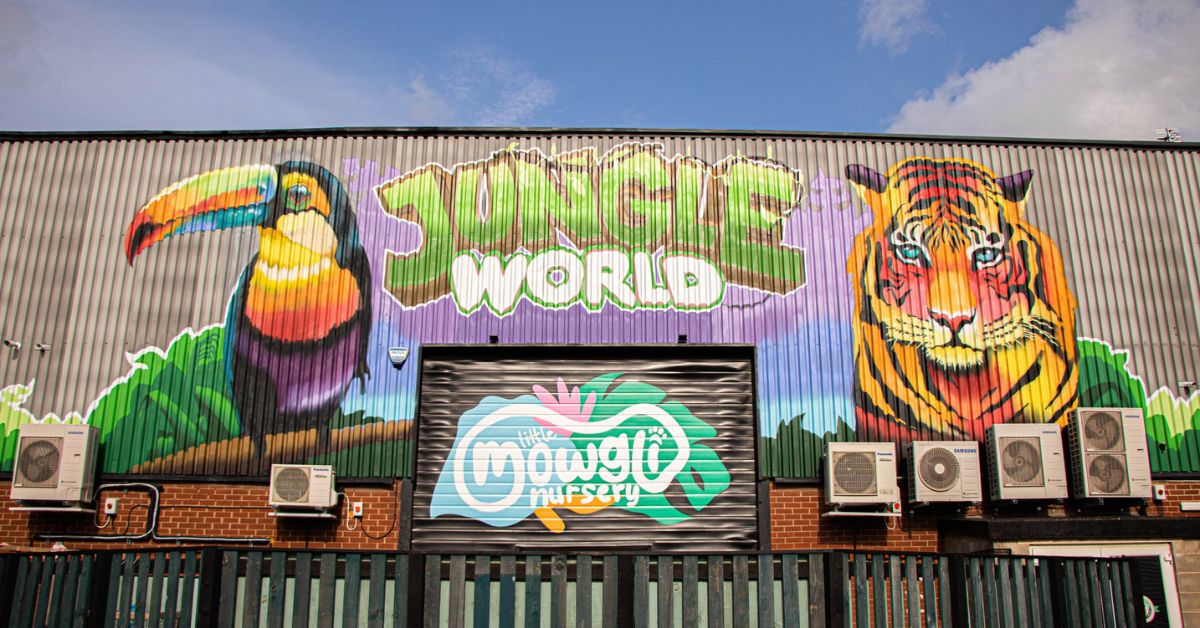
Jungle World Park tops our list for good reason. With locations in both Leyland and Blackpool, this indoor play centre offers something for every age group from babies to 12-year-olds.
The Leyland venue features Lancashire's tallest indoor slide at 40 metres, perfect for thrill-seeking children. Younger ones can explore the dedicated toddler area with soft play equipment designed specifically for their developmental needs. The multi-level play frames, laser tag arena, and safari go-karts keep older children entertained for hours.
Parents appreciate the thoughtful touches. The Tiki Café serves freshly prepared meals with a five-star hygiene rating, and the venue runs ASD-friendly sessions every Monday evening with reduced music and adjusted lighting. Free parking makes visits stress-free, and the timed session system prevents overcrowding.
Research from the House of Commons shows that 22.3% of children aged 4-5 are overweight or obese. Indoor play centres like Jungle World Park provide safe spaces for physical activity, helping children develop motor skills whilst burning energy in a controlled environment.
2. Explore Local Museums
Museums offer educational fun things to do with kids on rainy days. The Natural History Museum in London captivates children with its dinosaur gallery and the dramatic Hope the blue whale skeleton hanging in Hintze Hall. Many museums provide free entry and offer activity backpacks designed for different age groups.
The Science Museum engages curious minds with hands-on experiments in Wonderlab, whilst the British Museum allows children to step back into ancient civilizations. Regional museums across the UK often feature local history exhibits that make learning feel relevant and exciting.
3. Discover Theme Parks
Theme parks deliver unforgettable family experiences. LEGOLAND Windsor Resort offers over 55 interactive rides and attractions for younger children, with everything built around those iconic plastic bricks. Paultons Park in Hampshire houses Peppa Pig World, perfect for toddlers and preschoolers.
For older children seeking thrills, Alton Towers and Thorpe Park provide adrenaline-pumping rides. Many theme parks now offer season passes that make multiple visits affordable for families.
4. Visit Farm Attractions
Farm visits combine education with hands-on fun. Children can feed animals, collect eggs, and learn where food comes from. Many farms offer seasonal activities like strawberry picking in summer or pumpkin patches in autumn.
The tactile experience of stroking animals and handling farm equipment creates lasting memories. These visits also teach children about responsibility and caring for living creatures.
5. Enjoy Outdoor Playgrounds
Traditional playgrounds remain brilliant free activities for families. Look for adventure playgrounds with climbing frames, zip lines, and natural play elements. Many parks now incorporate inclusive equipment that allows children with different abilities to play together.
The exercise children get from playground activities helps develop gross motor skills like running, jumping, and climbing. Research shows outdoor play reduces symptoms of anxiety and depression in young people.
6. Try Swimming Pools
Swimming provides excellent exercise whilst teaching life-saving skills. Many leisure centres offer family swim sessions with inflatable obstacles and wave machines. Baby swim classes help infants develop water confidence from an early age.
Look for pools with shallow areas and toddler facilities. Some venues provide swim nappies and floatation aids, making visits easier for parents.
7. Visit Zoos and Wildlife Parks
Zoos spark curiosity about the natural world. Children marvel at exotic animals they've only seen in books. Educational talks and feeding demonstrations add context to the viewing experience.
Wildlife parks often allow closer encounters than traditional zoos. Some offer walk-through enclosures where children can observe animals in more naturalistic settings.
8. Experience Soft Play Centres
Indoor soft play centres like Jungle World Park provide weather-proof entertainment. The padded equipment allows children to climb, jump, and explore without the injury risks of outdoor playgrounds.
Studies show soft play helps children develop both fine and gross motor skills. The problem-solving required to navigate obstacles builds cognitive abilities, whilst playing alongside peers develops social skills.
9. Explore Nature Reserves
Nature reserves offer free outdoor fun for families. Children can spot wildlife, collect interesting leaves, and learn about different habitats. Many reserves provide trail guides designed for young explorers.
Walking through forests and meadows introduces children to biodiversity. These experiences often spark lifelong interests in conservation and natural science.
10. Take Beach Trips
British beaches provide hours of entertainment. Building sandcastles, paddling in rock pools, and flying kites keeps children occupied. The seaside combines physical activity with sensory experiences.
Many coastal towns feature traditional amusement arcades and pier attractions. These add nostalgic charm to beach days out.
11. Visit Indoor Trampoline Parks
Trampoline parks offer energetic fun for children aged four and up. The bouncing activities provide cardiovascular exercise whilst developing balance and coordination. Dodgeball courts and foam pits add variety to the jumping experience.
Most venues require grip socks for safety and limit session times to prevent exhaustion. Check age restrictions, as some parks offer separate sessions for different age groups.
12. Enjoy Miniature Railways
Miniature railways provide magical experiences for young children. These scaled-down trains chug through parks and gardens, offering gentle thrills without overwhelming little ones.
Brockwell Park Miniature Railway in London runs on Sundays from March to October and costs just £1 for a return journey. These attractions often evoke nostalgia in parents whilst creating new memories for children.
13. Try Go-Karting
Go-karting suits older children who crave speed and competition. Many venues offer junior sessions with smaller karts designed for younger drivers. Indoor tracks provide year-round racing regardless of weather.
Some centres, including Jungle World Park, feature safari-themed tracks specifically for younger children. These introduce racing concepts in age-appropriate formats.
14. Visit Castles
Historic castles bring history lessons to life. Children can explore towers, walk along battlements, and imagine medieval life. Many castles offer family trails, dressing-up activities, and interactive exhibitions.
Warwick Castle provides jousting tournaments and falconry displays. Dover Castle features wartime tunnels that fascinate older children interested in World War II history.
15. Experience Forest Adventures
Forest activity centres offer rope courses, zip lines, and tree climbing. These adventures build confidence as children challenge themselves in natural settings. Qualified instructors ensure safety whilst encouraging independence.
Activities scale to different abilities, allowing families to participate together. The outdoor setting provides fresh air and connection with nature.
16. Visit Aquariums
Aquariums mesmerize children with underwater worlds. Walking through tunnels surrounded by swimming sharks and rays creates awe-inspiring moments. Touch pools allow gentle interactions with sea creatures.
Educational displays teach about marine ecosystems and conservation. Many aquariums participate in breeding programmes for endangered species, adding real-world relevance to visits.
17. Try Arts and Crafts Workshops
Creative workshops nurture artistic abilities. Pottery painting, jewellery making, and canvas painting provide screen-free activities where children create tangible keepsakes.
These sessions develop fine motor skills and artistic confidence. The focused nature of craft activities can be calming for energetic children.
18. Enjoy Indoor Climbing Walls
Climbing walls challenge children physically and mentally. They must plan routes and solve problems whilst building strength and flexibility. Venues provide equipment and instruction suitable for beginners.
Bouldering areas allow climbing without harnesses, making the activity accessible for younger children. The achievement of reaching the top boosts self-esteem.
19. Visit Planetariums
Planetariums open windows to the universe. Children learn about planets, stars, and space exploration through immersive shows. The dome projection creates magical viewing experiences.
These visits often inspire interests in science and astronomy. Interactive exhibits allow hands-on learning about space concepts.
20. Take Bicycle Rides
Family cycling provides exercise and adventure. Many areas feature dedicated cycle paths away from traffic. Bike hire services make cycling accessible without equipment investment.
For younger children, trailer bikes or tag-alongs allow them to participate safely. Cycling builds stamina whilst exploring local areas together.
Benefits of Active Play for Children
Active play delivers benefits beyond simple entertainment. Physical activity helps combat childhood obesity rates, which have risen to 34.3% in children aged 10-14 according to recent House of Commons research.
Regular active play strengthens muscles, improves cardiovascular health, and develops coordination. Children who engage in physical activities show better focus and concentration in educational settings.
Social play teaches cooperation, sharing, and communication. These interactions help children develop emotional intelligence and form friendships. Playing in groups allows children to practise conflict resolution in safe environments.
Planning Your Family Activities
When choosing fun things to do with kids, consider age appropriateness. Jungle World Park addresses this by providing separate areas for different developmental stages. The toddler zone keeps little ones safe from older children's more boisterous play.
Book activities in advance, especially during school holidays. Popular venues like Jungle World Park limit capacity to ensure comfortable experiences. Pre-booking guarantees entry and often secures discounted rates.
Check facility amenities before visiting. Parent-friendly cafés, baby-changing facilities, and free parking make outings more manageable. Some venues offer special sessions for children with additional needs, creating inclusive experiences for all families.
Making the Most of Indoor Play
Indoor play centres shine during British weather's unpredictable moments. Research shows play remains crucial for brain development regardless of location. Indoor venues provide consistent play opportunities year-round.
Look for centres that prioritize hygiene and safety. Jungle World Park maintains five-star hygiene ratings and undergoes regular safety inspections. Clean facilities with well-maintained equipment give parents peace of mind.
Consider membership options if you'll visit frequently. Many centres offer passes that provide better value for regular visitors. Timed sessions help manage crowds, ensuring children have space to play properly.
Creating Lasting Memories
The best fun things to do with kids create memories that last beyond the activity itself. Whether conquering Lancashire's tallest slide at Jungle World Park, spotting dinosaurs at museums, or building sandcastles at the beach, these experiences shape childhood.
Involve children in planning activities. Their input creates excitement and anticipation. Taking photos documents adventures and allows children to relive favourite moments.
Remember that quality matters more than quantity. A single well-chosen activity often provides more value than rushing between multiple venues. Allow time for children to fully engage with experiences rather than ticking boxes on an itinerary.
Frequently Asked Questions
What age groups can enjoy indoor soft play centres?
Most indoor soft play centres cater to children from birth to 12 years old. Venues like Jungle World Park provide dedicated areas for different ages, with secure toddler zones for 0-5 year olds and challenging equipment for older children. This separation ensures safe play at appropriate developmental levels. Always check specific venue age policies when booking your visit.
How do indoor play centres benefit child development?
Indoor play centres support multiple aspects of child development. Physical activities develop motor skills and coordination whilst combating childhood obesity. Social interactions teach sharing and cooperation. Problem-solving challenges enhance cognitive abilities. The sensory experiences help children process information and build confidence through safe exploration and achievement.
What should I bring to an indoor play centre?
Most centres require children to wear grip socks for hygiene and safety. Bring spare clothes in case of spills or accidents. Pack snacks only if permitted, as many venues like Jungle World Park have cafés and restrict outside food except baby formula. Bring any special items your child needs, though facilities typically provide baby-changing equipment.
Are there activities for children with special needs?
Many venues now offer inclusive sessions. Jungle World Park runs ASD-friendly sessions every Monday evening with reduced music and adjusted lighting. Carers attend free during these sessions. Contact venues directly about specific accommodations needed. Look for centres with sensory-friendly spaces and staff trained in supporting diverse needs for the best experience.
How can I find affordable family activities?
Look for free options like museums, parks, and nature reserves. Many attractions offer family tickets that cost less than individual admissions. Book online in advance for discounted rates. Consider membership passes if you'll visit venues multiple times. Check for off-peak pricing, with morning sessions often cheaper than afternoon slots at places like Jungle World Park.
Ready for a
Wild Adventure?
Book your Jungle World visit today!

Limited capacity per session - secure your spot now!


