Visit us


how to keep kids safe on climbing frames

Dennis Y
September 16, 2026
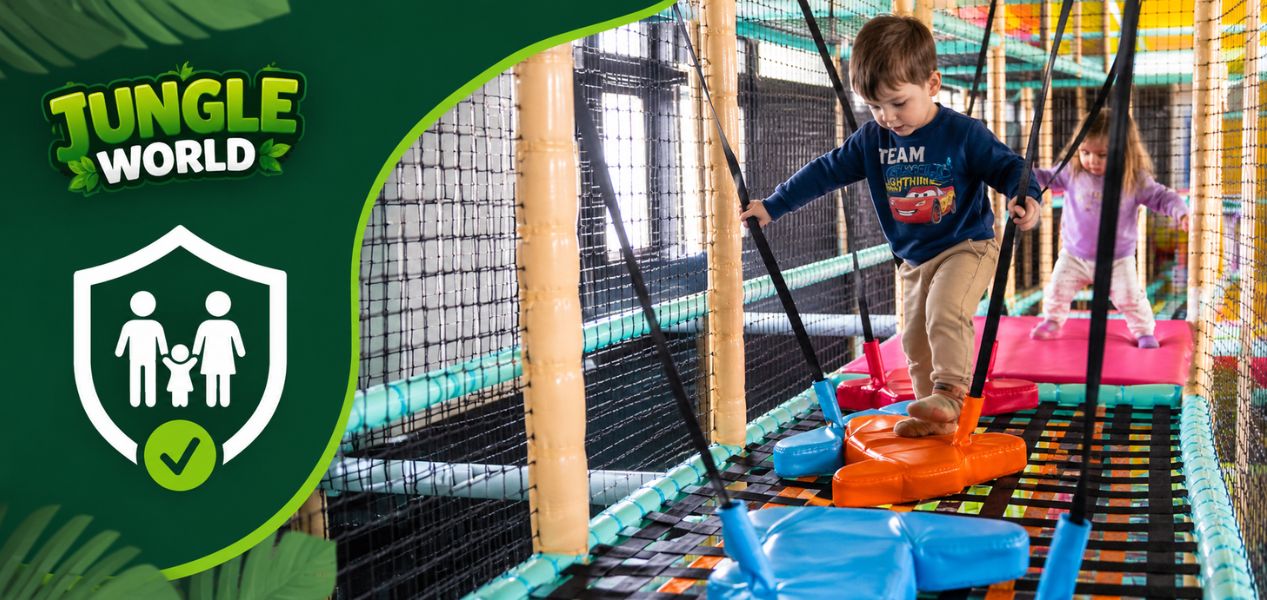
Kids and climbing frames are made for each other. There's something in a child's nature that pulls them upward toward the highest bar, the wobbliest rope, the most precarious platform. That's a good thing. Climbing builds strength, coordination, spatial awareness, and real confidence. But without the right precautions in place, a great afternoon can end in A&E.
The Royal Society for the Prevention of Accidents (RoSPA) reports that around 40,000 children under 15 need medical attention each year due to playground injuries in the UK. Falls from climbing equipment and monkey bars account for 36% of those incidents more than any other piece of play equipment. The good news is that the majority of these injuries are preventable.
Here's a practical, no-fuss guide to keeping your kids safe on climbing frames whether you're setting one up at home, visiting a local park, or heading to an indoor play centre.
Why Climbing Frame Safety Matters (and Why Risk Isn't the Enemy)
Before we get into the rules, it's worth saying this clearly: the goal isn't to bubble-wrap your kids. Controlled risk is a normal, healthy part of childhood. Research consistently shows that adventurous play supports physical development and emotional resilience. The aim of good climbing frame safety is to eliminate preventable harm not to eliminate challenge.
The distinction matters. A child wobbling on a rope bridge is learning balance. A child falling onto concrete from two metres up is facing a risk that could have been designed out of the environment. One is good risk. The other isn't.
With that in mind, let's look at what actually keeps kids safe.
How to Choose a Safe Climbing Frame: What to Look for Before You Buy
If you're buying a garden climbing frame, this is where safety starts. The equipment itself needs to meet recognised standards before anything else.
Look for BS EN 1176 Compliance
BS EN 1176 is the British-adopted European standard that defines safety requirements for public playground equipment and impact-absorbing surfacing. The standard aims to eliminate unacceptable risks while allowing children to experience appropriate challenges.
For garden equipment, BS EN 1176 isn't legally mandatory but buying a frame that meets it gives you a reliable benchmark. If play equipment is marked with 'Conforms to EN 1176-1:2017', along with the manufacturer's name, equipment reference and year of manufacture, that confirms the key safety points have been checked.
Avoid buying second-hand frames without documentation. You can't verify their history, and wear you can't see is often the most dangerous kind.
Check the Age Range and Height of the Equipment
Climbing frames come in different sizes for different developmental stages. A frame built for 8–12 year olds poses a real risk to a four-year-old whose grip strength and spatial judgement aren't ready for it yet.
In the UK, anything with a platform above 60cm may need impact-absorbing surfaces underneath. For taller structures, the general guidance is that climbing frames should be under 2.5 metres high in garden settings. The taller the frame, the more important the surface beneath it becomes.
Prioritise Non-Slip Surfaces and Rounded Edges
When securing the frame, consider safety nets, padding, soft edges, and adequately enclosed platforms. Choose non-slip surfaces for steps, rungs, and platforms, and check regularly for mold growth from rain exposure, which can make surfaces dangerously slippery.
Sharp corners and exposed bolts are also worth checking. Run your hand along the frame's edges before your kids use it for the first time.
Getting the Installation Right
A climbing frame that tips over when three kids pile onto one side is a hazard regardless of how well-built it is. Proper installation isn't optional.
Secure Gro
und Anchors Are Non-Negotiable
Ground anchors are a critical safety feature. They prevent the frame from tipping or moving when children are using it or in bad weather. A professional installer will know how to secure the frame properly and ensure it's positioned on flat ground, away from obstacles like walls and trees.
If you're assembling a flat-pack frame yourself, follow the manufacturer's instructions exactly. Don't skip steps. Check that every bolt is tight and that anchor points are properly fixed into firm ground.
Create a Safe Zone Around the Frame
Fall zones for climbing equipment must extend at least six feet (approximately 1.8 metres) beyond the structure's edges in all directions. The fall zone should account for the highest point a child might reach, not just the intended handholds.
That means no garden furniture, flower beds, fence posts, or hard edges within that clearance zone.
Choose the Right Surface Underneath
According to RoSPA's data, 80% of playground injuries related to equipment result from a fall to the surface. What's underneath your frame matters enormously.
Concrete, paving slabs, and compacted soil are not suitable. Research shows that proper safety surfacing can reduce the risk of severe head injury by 75% and bone fractures by 79%. Rubber matting, wetpour, rubber mulch, and deep wood chips are all good options. Grass can work for lower frames but compacts over time and loses its cushioning.
Outdoor Climbing Frame Safety: Day-to-Day Maintenance
Buying and installing the frame correctly is the foundation. Keeping it safe over time requires consistent attention.
Inspect the Frame Regularly — Here's What to Check
Run through this checklist every few weeks, and always after a period of bad weather:
- Bolts and fixings: Tighten any that have worked loose. Replace any that are missing.
- Wood: Look for splinters, cracks, soft spots, or rot especially around ground-contact points.
- Metal: Check for rust, particularly at joints and welds.
- Ropes and nets: Look for fraying, broken strands, or signs of UV degradation.
- Platforms and steps: Test for stability. Look for warping or cracking.
- Surface area: Top up loose-fill materials regularly; they compact and spread over time.
Common signs of wear include ropes with exposed steel wires, loose fixings on structures, damaged or eroding surfaces, and rotting or decaying materials.
Take the frame out of use if you find anything that needs repair, and don't let kids back on until it's fixed.
Seasonal Checks Matter Too
In the UK, outdoor frames take a beating through autumn and winter. Wet weather encourages mold growth on wooden surfaces and rungs, making them slippery even in summer. Frost can weaken metal fastenings. UV exposure over multiple summers degrades plastic and rope faster than many parents expect.
At minimum, do a thorough inspection at the start of spring each year.
Supervision and Rules: The Human Side of Playground Safety
Equipment can only do so much. Supervision and simple rules make a real difference especially for younger children.
Active Supervision vs. Passive Watching
There's a difference between sitting nearby with your phone and actually watching what's happening on the frame. Watching out for potential hazards, keeping an eye on the equipment your child is using, and staying nearby means you can intervene if necessary.
This doesn't mean hovering over every move. It means staying close enough to respond quickly, and being alert enough to notice when something's going wrong before it becomes an injury.
Set Clear Rules for the Frame
Simple rules, explained in advance, reduce accidents. Some worth enforcing:
- One child on a ladder or climbing section at a time
- No pushing or pulling other children on the frame
- Come down from the frame to have snacks or drinks
- No playing on the frame in wet or icy conditions
- Take off scarves, loose hoodies with drawstrings, or necklaces before climbing
Clothing entrapment is a real and underappreciated risk. Jungle World Blackpool recommends that children wear comfortable play clothing, and long sleeves on slides to prevent friction burns.
Match the Frame to Your Child's Ability — Not Just Their Age
Age guidance is a starting point, not a rule. Some four-year-olds are physically confident climbers. Some seven-year-olds aren't ready for a frame at height. Watch how your child moves and make decisions based on their actual ability, not just the label on the box.
Indoor Climbing Frames and Soft Play: What to Look for
Not all climbing happens outdoors. Indoor play centres with multi-level climbing frames are a popular option for families especially through winter. When choosing where to take your kids, it's worth knowing what good practice looks like.
Well-run venues separate children by age group, use soft surfaces throughout, and keep equipment in good repair. Jungle World Blackpool is a good example of what this looks like in practice: their multi-level play frame includes climbing structures, a mini zipline, and trampolines, with dedicated staff stationed in play areas and separate zones for different age groups including a fully enclosed toddler area for children under five.
When visiting any indoor play venue, it's worth checking a few things quickly:
- Are the play zones separated by age or size?
- Is there adult supervision in the play areas (not just at reception)?
- Does the surface look clean and well-maintained?
- Are there visible staff who are actually watching what's happening?
A 5-star hygiene rating from the local authority is a good baseline indicator for venues like Jungle World Blackpool, it signals that cleanliness and maintenance are taken seriously.
A Quick-Reference Climbing Frame Safety Checklist
For featured snippet purposes, here's a summary of the key steps to keep children safe on climbing frames:
- Buy compliant equipment — look for BS EN 1176 certification
- Choose the right size — match the frame to your child's age and ability
- Install it correctly — use ground anchors, flat ground, and proper clearances
- Lay the right surface — rubber matting, wetpour, or deep wood chip
- Keep a 1.8m clear zone around all sides of the structure
- Inspect regularly — check bolts, wood, ropes, and surfaces every few weeks
- Set clear rules — no pushing, one at a time on ladders, no loose clothing
- Supervise actively — stay close enough to intervene quickly
- Remove wet or damaged items — don't let kids use the frame in ice, frost, or if it's broken
- Do a seasonal overhaul — a full inspection each spring before heavy use resumes
FAQs: Climbing Frame Safety for Kids
How do I know if a climbing frame is safe to buy?
Look for BS EN 1176 compliance marked on the product. This is the British and European standard for playground equipment safety, covering design, materials, and fall height requirements. Buy from reputable manufacturers who provide documentation, and avoid unverified second-hand equipment where the history is unknown.
What surface is best under a climbing frame?
Rubber matting, wetpour rubber, or rubber mulch are the most effective options for absorbing impact from falls. Wood chips are also acceptable for lower structures. Avoid grass (it compacts), paving slabs, and concrete, which offer very little cushioning and significantly increase the risk of injury during a fall.
At what age can children use a climbing frame unsupervised?
There is no fixed age, it depends on the individual child and the complexity of the frame. Most experts recommend close adult supervision until at least age six or seven for outdoor frames of any height. Even older children benefit from an adult being nearby, particularly on taller or more challenging equipment.
How often should a garden climbing frame be inspected?
Do a visual check every two to four weeks during periods of regular use, and a more thorough inspection at the start of each season. After heavy storms or winter periods, check bolts, fixings, wooden sections, and ropes before allowing children back on the equipment. Take it out of use immediately if you find damage.
What clothing should children wear on climbing frames?
Comfortable, close-fitting clothing with no drawstrings, loose hoods, or scarves can get caught on equipment and cause strangulation injuries. Socks with grip soles are better than bare feet on indoor frames, while sturdy trainers work well outdoors. Avoid jewellery and remove helmets from bikes before going on any climbing structure.
Ready for a
Wild Adventure?
Book your Jungle World visit today!

Limited capacity per session - secure your spot now!


