Visit us


How to Choose a Safe Soft Play Area for Toddlers

Dennis Y
September 16, 2026
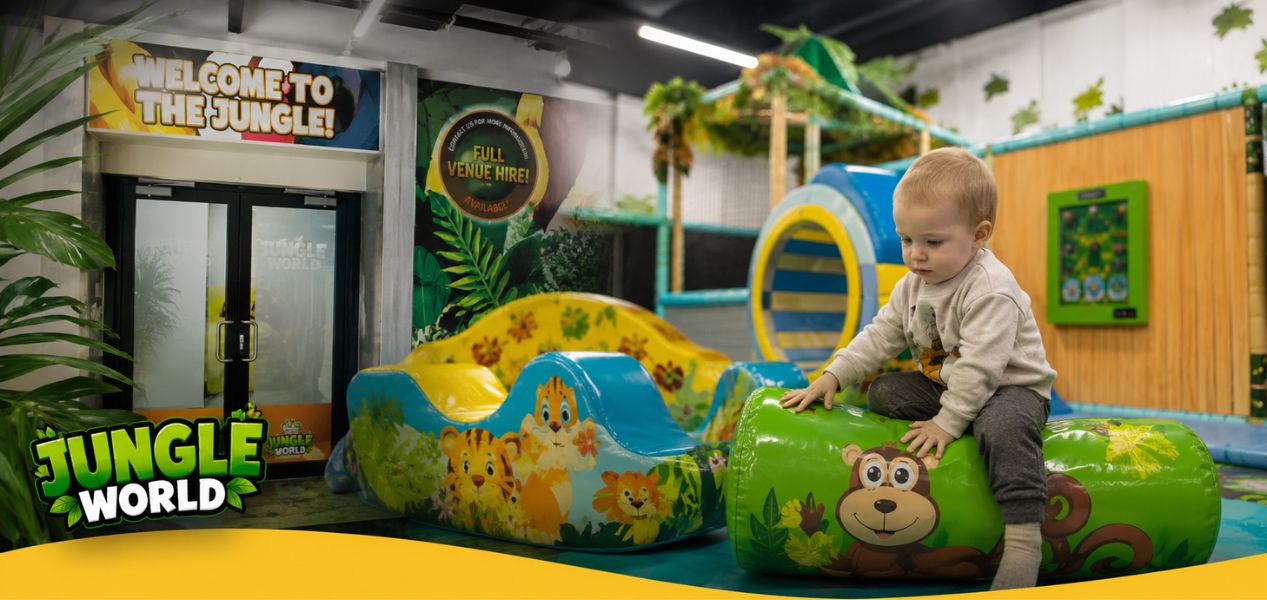
Taking your toddler to a soft play centre should be one of those easy, joyful things. You drop in, the kids run wild, you get a coffee and a few minutes to breathe. But if you've ever walked into a soft play centre and felt something was slightly off equipment looking worn, no visible staff, age zones ignored you'll know that not all soft play venues are the same.
Choosing the right one matters, especially for toddlers. At this age, children have limited spatial awareness, move quickly, and don't yet understand how to navigate shared spaces with older kids. The good news is that a few simple checks before or during your visit will tell you everything you need to know. Here's how to do it.
What Makes a Soft Play Area Truly Safe for Toddlers?
Safety in soft play isn't just about foam padding. A genuinely safe venue gets several things right at once equipment standards, cleanliness, staffing, layout, and age separation. Let's break it down.
1. Equipment That Meets UK Safety Standards
The starting point for any soft play centre's equipment is compliance with EN1176 regulations, a set of European safety standards designed to ensure public play areas provide a safe environment for children by reducing the risk of serious injury.
For indoor soft play specifically, fully enclosed play equipment is covered by BS EN 1176-10:2023 and BS 8409. These standards cover everything from access and visibility through to fire safety inside multi-level structures. The standards are periodically reviewed and updated to reflect accident data and evolving play needs.
When you visit a soft play venue, you don't need to quiz staff on the exact standard number. Instead, look for UKCA or CE markings on equipment that confirm independent safety testing has taken place. For schools and registered nurseries, these marks are non-negotiable, as they prove the product has passed independent testing and is legally fit for commercial use. The same principle applies to public soft play centres.
One practical thing to check: entrapment testing is a critical safety factor. Reputable equipment designers use specialised probes to ensure there are no gaps between 8mm and 25mm that could trap a child's finger, or larger gaps that might catch a head or neck.
2. A Dedicated Toddler Zone
This is arguably the most important factor for parents of under-threes. A general play area with children of all ages is genuinely risky for toddlers. A seven-year-old charging through a tunnel has no idea your two-year-old is about to stand up in their path.
Good soft play design includes clear separation of age groups, with good sight lines into the play area from supervision points, and a slow exit from the play area into catering and viewing areas.
Look for a toddler zone that is physically separated, not just marked with a sign from the main play frame. It should have its own entrance, lower equipment, padded surfaces at ground level, and ideally its own viewing area for parents. Venues like Jungle World Blackpool include a dedicated, enclosed toddler area as a distinct zone within the centre, separate from the multi-level frame and the higher-energy attractions designed for older children.
3. Hygiene Standards You Can Actually See
Hygiene at soft play centres came under real scrutiny in recent years, and for good reason. Toddlers touch everything, then touch their faces. The difference between a well-run venue and a poor one often shows up here before anywhere else.
As a minimum, high-contact surfaces should be cleaned between booked sessions or at least every two hours, with particular attention paid to areas such as slides, monkey bars, enclosed crawl-through tunnels, and handholds.
When you arrive, take a quick look around. Are the surfaces visibly clean? Are there hand sanitiser stations at entrances to the play frame? Cleaning frequencies must be regularly enforced, hand sanitising stations provided, and any visible signs of dirt or debris dealt with swiftly.
The Food Standards Agency's 5-star hygiene rating system also applies to the café within a soft play centre. A visible 5-star rating is a good indicator that the whole venue takes hygiene seriously; it doesn't happen by accident. Jungle World Blackpool holds a 5-star hygiene rating for its Tiki Café, which is the kind of detail worth noting when you're choosing where to take a toddler.
4. Visible, Trained Staff
One of the biggest differentiators between a well-run safe soft play area for toddlers and a mediocre one is how many staff are on the floor and whether they're actually watching. Having a staff member behind a counter is not the same as having trained staff monitoring the play areas.
Staff training in emergency procedures, first aid, and child behaviour management are essential components of a safe play environment. Effective supervision ensures that play remains safe while allowing children the freedom to enjoy their playtime.
RoSPA, the Royal Society for the Prevention of Accidents, recommends that where play becomes excessively boisterous, staff should intervene to protect the health and safety of all the children.
When you arrive, notice whether staff are stationed around the play area or congregated in one spot. Do they look engaged, or are they on their phones? This is worth paying attention to, because supervision gaps are where accidents happen.
5. Controlled Capacity and Session Management
An overcrowded soft play centre is a dangerous one. More children in a confined space means more collisions, more pressure on equipment, and harder supervision for staff.
Reputable centres manage this through timed sessions and capped capacity. This approach also has a hygiene benefit cleaning can happen properly between groups rather than trying to sanitise a space while it's still occupied.
The layout of a soft play space is also important, as supervision must be available at all times. This means considerations include not having any blind spots, ensuring proximity of equipment to safety equipment, and having places for parents to sit down.
Venues that book sessions in advance and limit numbers are generally operating to a higher standard than those with open, unlimited entry. It's not just about safety it usually means a better experience for your toddler too.
6. Fire Safety and Emergency Preparedness
This one doesn't come up in casual conversation, but it matters. Indoor soft play centres contain a lot of foam, padding, and PVC-coated materials. Applicable fire safety standards include BS 5306-8 and BS 5266-1, and all material used including padding and fabric must meet fire retardancy requirements.
A minimum of two fire exits are required for up to 100 users, with an additional exit for every 100 extra users of the building, including staff, parents, and carers as well as children. Emergency exits and routes must be kept clear at all times.
When you visit, check that you can see fire exits clearly marked and that the routes to them aren't blocked by buggies, bags, or extra furniture. It takes about five seconds and it's worth it.
A Quick Checklist: What to Look for When Visiting a Soft Play Centre with Toddlers
Use this list when you're sizing up a new venue:
- Dedicated, physically separated toddler zone
- Visible UKCA or CE certification on equipment, or clear signage about compliance with EN1176 standards
- Clean surfaces and hand sanitiser stations at play frame entrances
- Staff stationed throughout the play area, not just at reception
- Timed sessions with capped capacity
- Clear fire exits with unobstructed routes
- 5-star hygiene rating displayed in the café area
- Age zone signage that is enforced, not just posted
How Regular Inspections Keep Soft Play Safe
Good venues don't just rely on initial installation. The minimum frequency of inspections for all equipment is monthly, quarterly, or annually depending on the type of equipment. All mechanical elements must be thoroughly inspected every six months in accordance with European safety regulations.
RoSPA recommends an independent annual inspection that checks for all safety issues, with advice on management procedures. For very heavy use areas, more than one inspection per year is recommended.
You can ask a venue when their last independent inspection was. A well-run centre will have no hesitation answering that question.
What Parents Can Do on the Day
Checking the venue is important, but what you do as a parent on the day also matters. A few habits make a real difference:
Dress your toddler appropriately. Socks are required at most soft play centres grip socks provide better traction on climbing equipment. Avoid clothing with cords or ties around the neck, and opt for long sleeves on days with tall slides to prevent friction.
Do a quick walk around before your toddler starts playing. Look at the toddler zone, check that the separation from older children is clear, and note where the staff are positioned.
Stay close, especially on the first visit. Toddlers in an unfamiliar space can panic quickly. Being nearby in the early stages of the session means you can step in before a small stumble becomes a bigger problem.
Talk to your child before you go in. Even a two-year-old can understand "we stay in the small area, not the big one." Setting expectations helps most children adjust quickly when given clear ground rules.
Why Blackpool Families Choose Jungle World Blackpool
If you're looking for a well-structured indoor play centre in Blackpool that takes toddler safety seriously, Jungle World Blackpool is worth a look. The centre runs timed sessions with controlled capacity, has a dedicated enclosed toddler zone with mini slides and age-appropriate equipment, and stations staff throughout the play areas. It holds a 5-star hygiene rating for the Tiki Café and operates clear age-separated zones across the venue, all things you now know to look for.
Frequently Asked Questions
What age can toddlers start going to soft play?
Most soft play centres welcome children from around six months old, with dedicated baby and toddler zones for the youngest visitors. For children aged one to three, a well-designed toddler zone with low equipment, padded surfaces, and separation from older children is the right environment. Always check whether a venue has a specific area for under-threes before booking.
How do I know if a soft play centre meets UK safety standards?
Look for UKCA or CE markings on equipment, which confirm independent safety testing. You can also ask whether the centre complies with BS EN 1176-10, the UK standard for fully enclosed indoor play structures. A venue that takes safety seriously will have no trouble answering that question.
How often should soft play equipment be cleaned?
Industry guidance recommends that high-contact surfaces, slides, handholds, tunnels are cleaned between sessions and at least every two hours during operation. Ask the venue about their cleaning schedule if you're unsure. Visible hand sanitiser stations at the play frame entrance are a good sign a venue takes hygiene seriously.
Should I stay with my toddler in the soft play area?
For toddlers under three, staying close is a good idea, particularly on a first visit or in a busy session. Most venues allow parents into the toddler zone. Even if your toddler is confident, having you nearby means you can intervene quickly if they become overwhelmed or another child enters the area inappropriately.
What should my toddler wear to soft play?
Socks are required at virtually all soft play centres, grip socks are ideal for better traction. Avoid clothing with drawstring cords or anything tight around the neck. Comfortable, flexible clothing works best, and long sleeves are useful for venues with taller slides to reduce friction on the way down.
Ready for a
Wild Adventure?
Book your Jungle World visit today!

Limited capacity per session - secure your spot now!


