Visit us


Top 15 Fun Activities for Kids: Keep Your Children Active and Engaged

Dennis Y
July 3, 2026
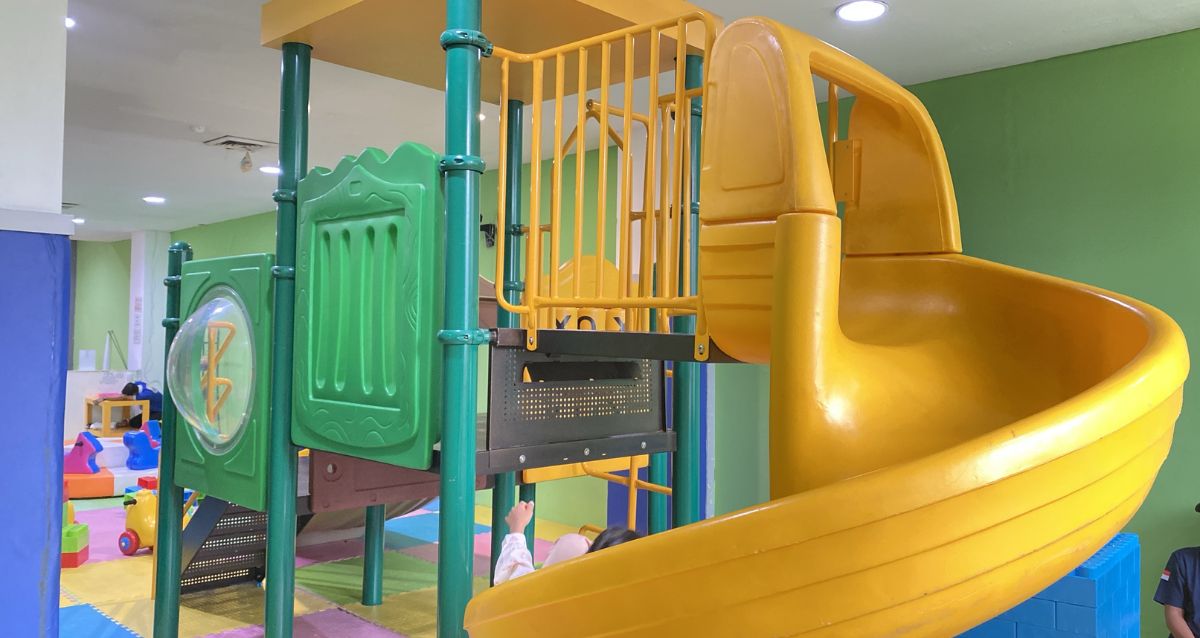
Keeping children entertained whilst supporting their development can feel like a never-ending challenge. Between school, homework, and screen time, finding fun activities for kids that genuinely engage them can be tricky. The good news is that children don't need expensive equipment or complicated plans to have a great time. What they need are activities that let them move, explore, and use their imagination.
When children spend time being active through play, they build strength, develop social skills, and boost their confidence. Active play also helps them maintain a healthy weight, sleep better, and feel happier. That's why getting children moving matters so much.
If you're searching for ways to keep your kids busy on rainy days or weekends, this guide covers 15 fun activities for kids that work both indoors and outdoors. Many of these ideas cost little to nothing and can be set up quickly.
Why Fun Activities Matter for Children's Development
Before diving into the activities, let's talk about why they're important. Children aged 5 to 18 need at least 60 minutes of moderate to vigorous physical activity daily. For younger children under five, that number jumps to 180 minutes spread throughout the day.
Physical play does more than burn energy. It helps children develop motor skills, build stronger bones and muscles, and improve coordination. Beyond the physical benefits, active play supports mental wellbeing by reducing stress and boosting mood. Children also learn social skills like teamwork, communication, and turn-taking when they play with others.
Places like Jungle World Park understand this need perfectly. Located in both Leyland and in Blackpool, this indoor soft play centre provides a safe space where children aged 0-12 can climb, explore, and play across multiple zones designed for different age groups. The facility includes everything from a toddler area to laser tag and go-karts for older children.
Indoor Fun Activities for Kids
Rainy days don't have to mean bored children staring at screens. Here are seven indoor activities that keep kids moving and thinking.
1. Build an Indoor Obstacle Course
Create a mini adventure right in your living room. Use cushions to jump over, chairs to crawl under, and tape on the floor to walk along like a balance beam. Time each attempt and challenge children to beat their own record. This activity builds coordination and problem-solving skills whilst burning off energy.
2. Host a Dance Party
Turn up the music and let children move freely to their favourite songs. Dancing improves cardiovascular fitness, coordination, and balance. It's also brilliant for lifting moods. You can make it more structured by teaching simple dance routines or playing freeze dance.
3. Set Up a Treasure Hunt
Write clues that lead children around the house searching for a hidden prize. Tailor the difficulty to their age. Younger children might follow picture clues whilst older ones solve riddles. Treasure hunts encourage reading skills, critical thinking, and following directions.
4. Create Art Projects
Pull out paints, crayons, markers, and craft supplies. Let children create whatever they imagine. Art projects develop fine motor skills, encourage self-expression, and teach patience. Display their finished work like a gallery to boost their confidence.
5. Try Indoor Bowling
Line up plastic bottles or toilet paper rolls at one end of a hallway. Use a soft ball to knock them down. This simple game helps children practise aim and counting whilst having fun. You can add maths practice by keeping score.
6. Build with Cardboard Boxes
Before recycling those delivery boxes, hand them to the children. They can create anything from a fort to a rocket ship to a puppet theatre. Building with cardboard develops spatial reasoning, creativity, and planning skills. Children get extra enjoyment from decorating their creation.
7. Play Indoor Balloon Volleyball
Blow up a balloon and challenge children to keep it in the air. They can bat it back and forth over a "net" made from string. This activity is safe for indoor play and helps develop hand-eye coordination and quick reflexes.
Outdoor Fun Activities for Kids
Fresh air and outdoor play provide different benefits than indoor activities. Here are eight outdoor activities children love.
8. Go on a Nature Scavenger Hunt
Create a list of items for children to find outdoors: a red leaf, a smooth stone, something that makes noise, a flower. This activity sharpens observation skills and connects children with nature. You can adapt the list based on your surroundings and the season.
9. Set Up an Outdoor Obstacle Course
Use cones for weaving, hula hoops for jumping through, and ropes for balancing. Time each child as they complete the course. Outdoor obstacle courses build strength, agility, and endurance whilst letting children compete against their own times.
10. Play Water Games
On warm days, bring out the water balloons, spray bottles, or sprinklers. Water play keeps children cool whilst they run and play. It's also sensory-rich, which supports brain development in younger children.
11. Ride Bikes or Scooters
Cycling and scooting are excellent for building leg strength, balance, and cardiovascular fitness. Create a simple course with cones or chalk marks, or just let children ride freely. Always ensure they wear proper safety equipment.
12. Garden Together
Give children their own small patch or pots to plant flowers, herbs, or vegetables. Gardening teaches responsibility, patience, and basic science concepts. Watching their plants grow gives children a sense of achievement.
13. Play Classic Games
Traditional games like tag, hide and seek, and red light/green light never go out of style. These games develop listening skills, strategic thinking, and speed. They're also brilliant for groups of children.
14. Create Sidewalk Chalk Art
Hand out chalk and let children decorate the pavement or driveway. They can draw pictures, write messages, or create games like hopscotch. This activity encourages creativity and fine motor development.
15. Visit an Indoor Play Centre
When you want a break from planning activities yourself, indoor play centres like Jungle World Park offer hours of entertainment. These facilities provide structured environments where children can climb, slide, and explore safely. Jungle World Park includes different zones for various age groups, so toddlers can play safely whilst older children tackle more challenging activities like the tall slide and laser tag.
Indoor play centres also give parents a chance to relax whilst children burn energy. Many offer cafes where families can refuel, making it easy to spend several hours there.
Making Activities Work for Your Family
Not every activity will suit every child or family situation. Start by considering your child's interests and energy level. Some children love physical challenges whilst others prefer creative projects. Mix different types of activities throughout the week to keep things interesting.
You don't need to plan elaborate activities every day. Simple options like a walk around the neighbourhood or playing with bubbles in the garden count as quality play time. The key is reducing inactive time and encouraging movement.
If you're short on ideas, facilities like Jungle World Park take the pressure off parents by providing ready-made entertainment in a safe environment. Their multi-level play frame gives children freedom to explore whilst parents supervise from comfortable seating areas.
Tips for Encouraging Active Play
Getting children excited about active play isn't always automatic. Here are some strategies that work:
Start small. If your child isn't used to much physical activity, begin with 10-minute sessions and gradually increase the time.
Join in. Children are more likely to participate when they see adults playing too. Your involvement shows them that being active is fun and important.
Limit screen time. Set clear boundaries around television, tablets, and video games. Replace some of that time with active alternatives.
Make it social. Invite friends or siblings to join. Children often stay engaged longer when playing with others.
Offer choices. Let children pick from a few activity options. They're more likely to participate enthusiastically when they have some control.
Focus on fun, not performance. The goal is enjoyment and movement, not perfect execution. Celebrate effort and improvement rather than results.
Finding the Right Balance
Children need a mix of structured and unstructured play. Structured activities like sports lessons teach specific skills and follow rules. Unstructured play, where children make their own decisions about what and how to play, develops creativity and independence.
Indoor play centres provide a middle ground. They offer a structured environment with safety measures, but children have freedom to choose their activities and create their own games within that space.
Jungle World Park exemplifies this balance well. The facility provides equipment and zones for different types of play, but children decide how to use them. They might race friends down slides one minute and create an imaginative game in the play frame the next.
Creating Active, Happy Children
Finding fun activities for kids doesn't require expensive equipment or complicated planning. What matters most is creating opportunities for movement, exploration, and play. Whether you're setting up an obstacle course in your living room, heading to the park for a scavenger hunt, or visiting Jungle World Park for a few hours of structured play, you're helping your child develop physically, mentally, and socially.
The activities in this guide give you options for different weather conditions, energy levels, and interests. Mix indoor and outdoor activities throughout the week. Try new things regularly to keep children engaged, but don't abandon their favourites either.
Remember that active play benefits the whole family. When you participate alongside your children, you're modelling healthy habits whilst spending quality time together. Those shared moments of laughter during a silly dance party or the concentration whilst building a cardboard fort become cherished memories.
Start today by choosing one activity from this list and giving it a try. Your children might surprise you with their enthusiasm once they get moving.
Frequently Asked Questions
How much physical activity do children need each day?
Children aged 5 to 18 should get at least 60 minutes of moderate to vigorous physical activity daily. This doesn't have to happen all at once. You can split it into shorter sessions throughout the day. Activities should raise their heart rate and make them breathe faster. Three times per week, include activities that strengthen muscles and bones like climbing or jumping.
What counts as fun activities for kids?
Any activity that gets children moving, thinking, or creating counts. This includes traditional games like tag, creative projects like art and building, physical challenges like obstacle courses, and exploring nature. Activities that engage children's imagination whilst keeping them active work best. The key is finding options your specific child enjoys rather than forcing activities they find boring.
Can indoor play centres replace outdoor play?
Indoor play centres provide different benefits than outdoor play, and children benefit from both. Outdoor play connects children with nature, offers fresh air, and provides opportunities for unrestricted movement in larger spaces. Indoor centres like Jungle World Park offer controlled environments perfect for rainy days or extreme weather. They also provide specific equipment that most homes lack, like climbing frames and slides. Use both options throughout the year for variety.
How do I get my child interested in active play?
Start by finding activities that match their interests. If your child loves animals, try nature walks looking for creatures. If they enjoy competition, play timed races. Make activities social by including friends or family members. Keep sessions short initially and gradually increase duration as enthusiasm grows. Most importantly, join in yourself to show that being active is enjoyable and valued.
Are screen-based activities ever acceptable for children?
Screens aren't inherently harmful, but balance matters. Children under two shouldn't have screen time at all. Older children benefit from limits that leave plenty of time for physical play, creative activities, and social interaction. When children do use screens, choose active options like dance videos or movement games rather than passive watching. Set clear boundaries and stick to them consistently.
Ready for a
Wild Adventure?
Book your Jungle World visit today!

Limited capacity per session - secure your spot now!


