Visit us


Are Ball Pits Safe Or Dangerous?

Dennis Y
September 12, 2026
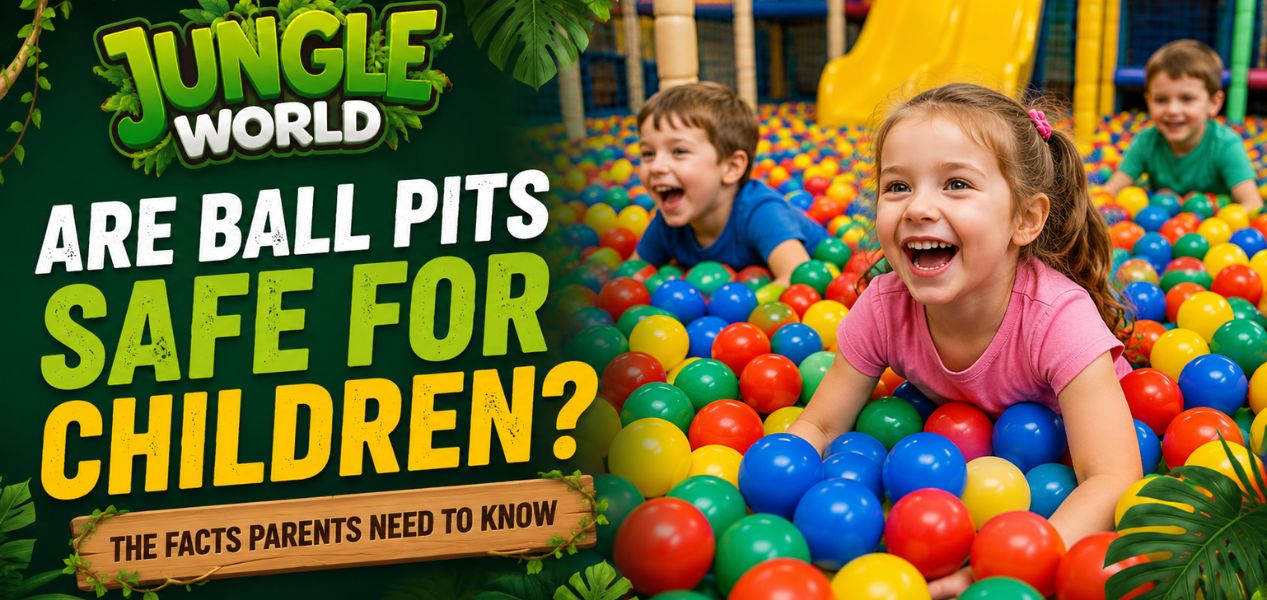
Ball pits are a staple of soft play centres across the UK. Children light up the moment they see that sea of colourful balls. Parents, on the other hand, sometimes feel the opposite. Headlines about bacteria and hygiene concerns have left many mums and dads wondering whether a ball pit is actually a good idea.
Here is the straightforward answer: for most healthy children, ball pits are safe. The risk is real but manageable, and it depends almost entirely on how well the play venue maintains its equipment. Let's break it down so you can make an informed decision next time you visit a soft play centre.
What the Research Actually Says About Ball Pit Safety
The most frequently cited study on ball pit hygiene was published in the American Journal of Infection Control, the journal of the Association for Professionals in Infection Control and Epidemiology. Researchers examined ball pits used in children's physical therapy clinics and found that they can contribute to germ transmission between children. One of the dirtiest pits in the study contained an average of 170,818 bacteria per ball.
That sounds alarming. Here is the important context.
Dr Frank Esper, a physician at the Cleveland Clinic Center for Pediatric Infectious Diseases, reviewed the findings and offered a more measured view. He explained that the majority of bacteria found in ball pits were bacteria you would expect to find on children's skin, in their mouths, and in their gut. He said: for healthy children, nearly everybody who jumps into a ball pit is going to be fine when they come out. He added that good hand hygiene before and after play is the most practical step parents can take.
The same study did find that ball pits are often visibly contaminated with dirt, and that yeast capable of causing fungal infections was present in some pits. That yeast poses a meaningful risk only to children with weakened immune systems.
A separate earlier study published in the American Journal of Infection Control examined ball pits in fast food restaurants and found increased levels of bacteria, concluding that disinfection protocols and proper handwashing are the keys to making ball pit play areas safe.
The message from both studies is the same: the ball pit itself is not inherently dangerous. The cleanliness of the venue is what determines the risk.
UK Standards: What Reputable Soft Play Centres Must Follow
The UK has clear standards for indoor play areas, and any responsible operator follows them closely.
Annexe D of BS 8409 is the British Standard Code of Practice for Indoor Play Areas. The Royal Society for the Prevention of Accidents (RoSPA) recommends that all indoor play area operators hold a copy of this standard and follow it. Under the guidance, RoSPA recommends cleaning ball pits at least once a month, and more frequently in busy environments like nurseries and soft play centres.
RoSPA's guidance also states that all staff should be trained in procedures for dealing with local soiling, and that relevant cleaning materials should be kept available in a secure storage location. All areas should be kept dust and litter free, and regular cleaning of all accessible parts of the play area must be carried out.
Infection control guidance published by Hertfordshire Futures, in line with NHS recommendations, flags norovirus as one of the main risks in soft play environments. Norovirus is highly infectious and can survive on surfaces for many days. It spreads through contact with contaminated surfaces and causes nausea, vomiting, and diarrhoea. The guidance states that ball pits and other soft play equipment must be thoroughly cleaned to prevent high levels of potentially harmful microbes spreading between children, parents, and staff.
Reputable operators also need to ensure that cleaning products meet relevant British Standards, including EN1276, EN1650, and EN14476, which cover the effectiveness of disinfectants used in food, industrial, domestic, and institutional areas.
Are Ball Pits Safe for Babies and Toddlers?
Age-appropriate supervision is the main safety factor for very young children. Here is what you need to consider.
For babies under 12 months: Ball pits in commercial soft play settings are generally not suitable for very young babies who cannot yet sit unsupported, as there is a risk of them being submerged by balls or knocked over by older children. Any reputable play centre should have a separate, age-appropriate zone for the youngest visitors.
For toddlers aged 1 to 3: Toddlers can enjoy ball pits safely when supervised closely and when the pit is age-appropriate. Ensuring the ball pit is limited to children who are close in age and size helps prevent injuries. Choosing shallow ball pits and maintaining supervision at all times also helps.
For children aged 3 and over: Ball pits at this age are generally very safe for healthy children. Children at this stage can move around independently and are unlikely to become submerged.
Children with open wounds or sores should not use public ball pits, as broken skin creates a route for bacteria to enter the body. Children with compromised immune systems or those on medication that reduces their ability to fight infection should also take extra care, or avoid shared ball pits entirely.
The Developmental Benefits of Ball Pit Play
Before writing off the ball pit entirely, it is worth knowing why occupational therapists and paediatric physiotherapists actively use them as therapeutic tools.
Ball pits provide deep pressure and tactile sensory input, which can be calming and regulating for many children while also encouraging movement, reaching, and interactive play. In paediatric physical therapy and occupational therapy, ball pits are used for sensory integration, building balance skills, and developing ball play skills.
Here is a breakdown of the developmental benefits:
Gross motor skills: When children jump, climb, and move around a ball pit, they work the large muscles of the arms, legs, and torso. This builds strength, coordination, and balance.
Fine motor skills: Picking up, throwing, and catching balls works the smaller muscles of the hands and fingers, which children need later for writing and self-care.
Sensory processing: Ball pits provide a rich sensory environment. The tactile experience of being surrounded by soft balls engages the sense of touch and helps children's brains learn to organise and interpret sensory information.
Proprioception: The deep pressure input from being surrounded by balls is calming and proprioceptively rich, which means it gives the brain information about where the body is in space. This is particularly beneficial for children with autism, ADHD, developmental delays, low muscle tone, and sensory processing differences.
Social skills: Ball pits are communal spaces. Research published in the Journal of Applied School Psychology points to group play activities as a way to develop sharing, cooperation, and communication in children.
Emotional regulation: Ball pit play can serve as a therapeutic outlet for emotional expression. The repetitive sensory input can help an overwhelmed child settle and regulate.
What Makes a Ball Pit Safe? A Checklist for Parents
Next time you visit a soft play centre, look for these signs before letting your child climb in.
- Visible cleanliness: The pit should look clean. Dull, scratched, or discoloured balls are a sign that cleaning is not keeping up with wear.
- Age segregation: Reputable centres keep younger children separated from older ones, both in the ball pit and across the play area.
- Staff presence: Staff should be visible and attentive throughout the play area.
- Hygiene ratings: Check whether the venue displays a Food Standards Agency hygiene rating. A rating of 5 suggests strong hygiene management across the whole site.
- Cleaning signage or schedules: Some venues post their cleaning schedules publicly. This shows the operator takes hygiene seriously.
- Clear rules about illness: A well-managed venue will ask families to keep unwell children at home and display this policy clearly.
At Jungle World Park Blackpool, the centre operates with a 5-star hygiene rating across its whole site, including the café, and staff are stationed throughout the play areas. The venue also operates limited capacity sessions, which reduces the number of children using equipment at any one time and makes maintaining cleanliness more manageable.
How to Reduce Risk When Visiting a Ball Pit
You cannot control everything at a public play centre, but you can take a few practical steps.
Wash hands before and after play. This is the single most effective thing you can do. Dr Esper's recommendation is clear on this: good hand hygiene before and after jumping into a ball pit is important.
Keep children with open wounds out of shared ball pits. Even a small graze is a potential entry point for bacteria.
Bring a change of clothes. If a child gets visibly dirty or soiled, a change of clothes means you are not carrying anything home on their clothing.
Check the centre's hygiene record. UK Food Standards Agency ratings are publicly searchable. A 5-star rating does not guarantee a germ-free ball pit, but it is a meaningful indicator of how seriously the venue takes hygiene management.
Trust your instincts. If the ball pit looks dirty, smells off, or the centre feels poorly maintained, it is reasonable to steer your child elsewhere. A good play centre welcomes questions about their cleaning practices.
The Verdict: Are Ball Pits Safe or Dangerous?
For the vast majority of healthy children, ball pits are safe. The risk from bacteria is real, but it is similar to the risk from any shared play area, including climbing frames, swings, and slides. The deciding factor is how well the venue cleans and maintains its equipment.
The developmental benefits are also real. Ball pits are used by trained therapists precisely because they offer sensory, motor, and social benefits that are hard to replicate elsewhere.
At Jungle World Park Blackpool, families visiting for soft play can expect a clean, well-supervised environment with dedicated zones for different age groups, from babies through to 12-year-olds. The controlled session capacity and 5-star hygiene rating reflect an approach to safety that goes beyond the minimum.
The bottom line: pick a well-maintained venue, wash hands before and after play, and let your child enjoy it.
5 Frequently Asked Questions About Ball Pit Safety
1. How often should a ball pit be cleaned in a soft play centre?
RoSPA recommends that ball pits in soft play centres are cleaned at least once a month, and more frequently during periods of high use or illness outbreaks. Busy commercial venues should clean their ball pits weekly as a minimum. You can ask any venue directly about their cleaning schedule before visiting.
2. Can children catch norovirus from a ball pit?
Yes, there is a risk. Norovirus can survive on surfaces for several days and spreads through contact. It is one of the reasons NHS infection control guidance specifically mentions ball pits in soft play centres as a surface that needs thorough and regular cleaning. Keeping unwell children at home and washing hands after play significantly reduces this risk.
3. Are ball pits safe for children with autism or sensory processing differences?
Often very beneficial. Occupational therapists routinely use ball pits in therapy settings because the deep pressure and tactile input can be calming and regulating for children with sensory processing differences. If your child has specific sensory needs, speak with their occupational therapist about what type of ball pit experience would suit them best.
4. At what age can children use a ball pit safely?
Most paediatric experts recommend ball pits for children who can sit unsupported, usually from around 6 months with close supervision. For busy commercial ball pits, waiting until a child can stand and move independently, around 12 to 18 months, reduces the risk of them being pushed over by older children. Check the venue's age guidance before visiting.
5. Should I be worried about my child eating a ball pit ball?
This is a normal concern for parents of toddlers. Ball pit balls in reputable UK venues should meet EN 71 toy safety standards, which means they are made from non-toxic materials. If a child puts a ball in their mouth, the main hygiene concern is the same as touching any shared surface: wash their hands and face after play. Balls that are cracked, broken, or visibly damaged should be reported to staff, as broken plastic can pose a choking risk.
Ready for a
Wild Adventure?
Book your Jungle World visit today!

Limited capacity per session - secure your spot now!


